
SPP likely to re-enter Nepal?

- Raju Bhattarai -
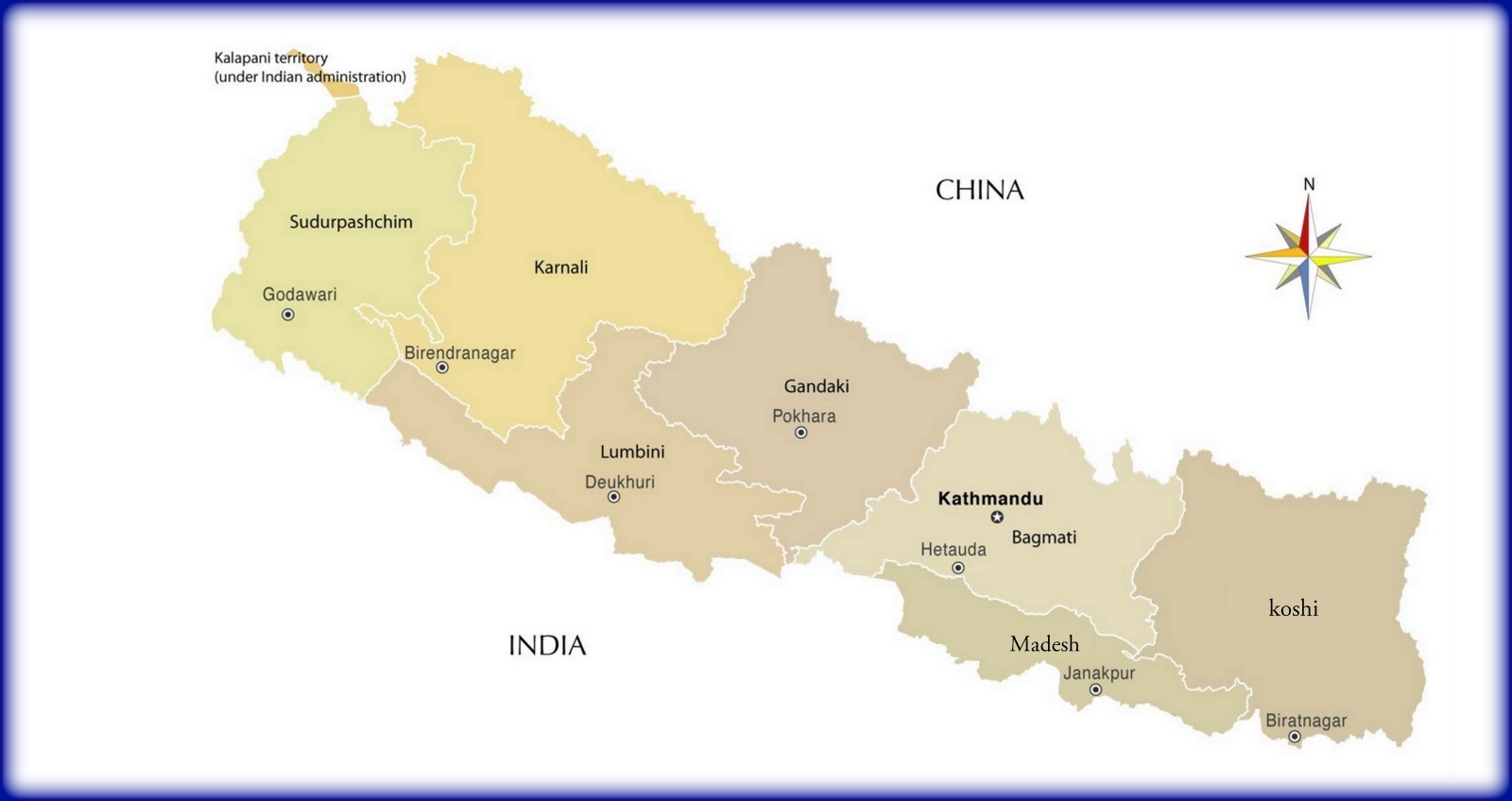
Recently, the news and reports of India constructing a Buddhist University in Nepal’s Mustang region drew a huge attention in Nepal, drawing flaks from both the political parties and the general public.
As Mustang is known as the restricted and sensitive zone that borders China, opening up an university for foreign students has raised various concerns and speculations.
This is not the first time that Mustang has got into the limelight, but it has been the center of attraction since long due to specific interests from the foreign world, mainly Indian and the US side in recent years.
The Himalayan district is a hotcake in the geopolitical circle as it hosts various military trainings and activities. Nepal Army has a High Altitude and Mountain Warfare School in Mustang, where many military personnel engage in different trainings including on mountaineering as well as rock craft and ice craft.
The US military troops also take part in such trainings in Mustang, which is also sometimes linked by the public with the US projects like Millennium Challenge Corporation (MCC) and even State Partnership Program (SPP).
Though the MCC was endorsed by the Nepali Parliament after series of controversies and protests, the developments of SPP is still under mystery.
The latest Mustang reports have once again surfaced the strategic interests of foreign countries that could irk the national interests and sensitivities of the neighbors.
In 2022, the Nepali Army refused to accept its involvement in the US military program. At the same time, the then Nepali Foreign Minister Narayan Khadka shared that the government informed the US about not accepting the SPP through a letter. But, no document has been made public till now. It is not clear what was communicated exactly to the US side.
In mid-June last year, Maoist Center Chairman Pushpa Kamal Dahal had addressed a party function and said, 'As a leader of the coalition, I want to declare that there won’t be any military agreement.' It is a matter of curiosity now on how Dahal, who is Nepal’s Prime Minister now, will handle the issue.
To be noted, the then PM Sher Bahadur Deuba had not responded to the calls even from the lawmakers of the ruling coalition on this issue at that time. The silence also spoke many things.
'Be it MCC or SPP, both the programs are integral part of the US’s global strategy…At this age, Nepal should be aware of its national interests and should be able to distinguish the foreign infiltrations,' the former PM Jhalanath Khanal had said in a podcast interview. He added SPP had turned out to be a part of the U.S. Indo-Pacific Strategy, a military alliance of the US.
The parliamentary International Relations Committee (IRC) had also directed the government to reject SPP saying that it was against Nepal's neutral foreign policy. Though both the ruling and opposition party leaders spoke against it, there are concerns on missing details and hiding of documents.
As per the US side, Nepal asked to participate in the SPP program in 2015 and in 2017, and it accepted the request in 2019. Since the new government has been formed now, which has good ties with the west, insiders believe that SPP’s work can move forward under different modalities. It is also learnt that the increasing Nepal visits from the US side has exerted pressure among the leaders.
Since both countries have mil-to-mil cooperation since long time, it is not surprising if they came up with new cooperation program, they said.
The U.S. military has been conducting humanitarian assistance and disaster relief exercises and training exchanges with the Nepali Army. 'Disaster is a hot topic here. It will not be a new thing if a new wing under SPP is added in the name of supporting civ-mil disaster response.'
Dinesh Khanal, a foreign affair analyst, says, 'This program can invite war as it threatens our own and neighbors’ security. All the cautious Nepali public and justice supporters should protest such dangerous program.'
He believes that the new government of Nepal is more favorable towards USA, thus it is more likely to sign the SPP agreement.
'After signing SPP, its easy for the American army to come to Nepal and practice drills with the Nepalese army. As they mostly do such drills in high altitude areas, near Tibetan range, this could threaten the security concerns,' he said, adding, 'We shouldn’t allow foreign Nationals Guards to enter Nepal and do the military exercises against China. If it happens, Nepal may loose good neighbors like China forever,' Khanal says.
The US projects are now also linked up with the ruling leading party Maoist Center. For instance, though Nepal started the transitional justice process related to the Civil War period, there has not been much progress. And now, Maoist has been facing the terror of transitional justice as their leaders might be implicated and fear that leaders from the war could be prosecuted internationally.
Amid such, it is believed that there is a limited option with the Maoist, to follow the directions from the west and place self in a safe position.
A leader shared, 'Out of this fear, Maoist could go to any extent, including the endorsement of the SPP,' adding 'The increasing engagements and military cooperation with the US side could be one example.'
No matter, which party is in the government, Nepal must ensure that any foreign military presence is not allowed or approved as it doesn’t serve Nepal’s best interests. Leaders should ensure that Nepal’s strategic position shouldn’t be used against Nepal itself, or against any other country.
(Bhattarai is a student of Political Science)



प्रतिकृया दिनुहोस