
In the last four years, 42 journalists have been killed in Pakistan
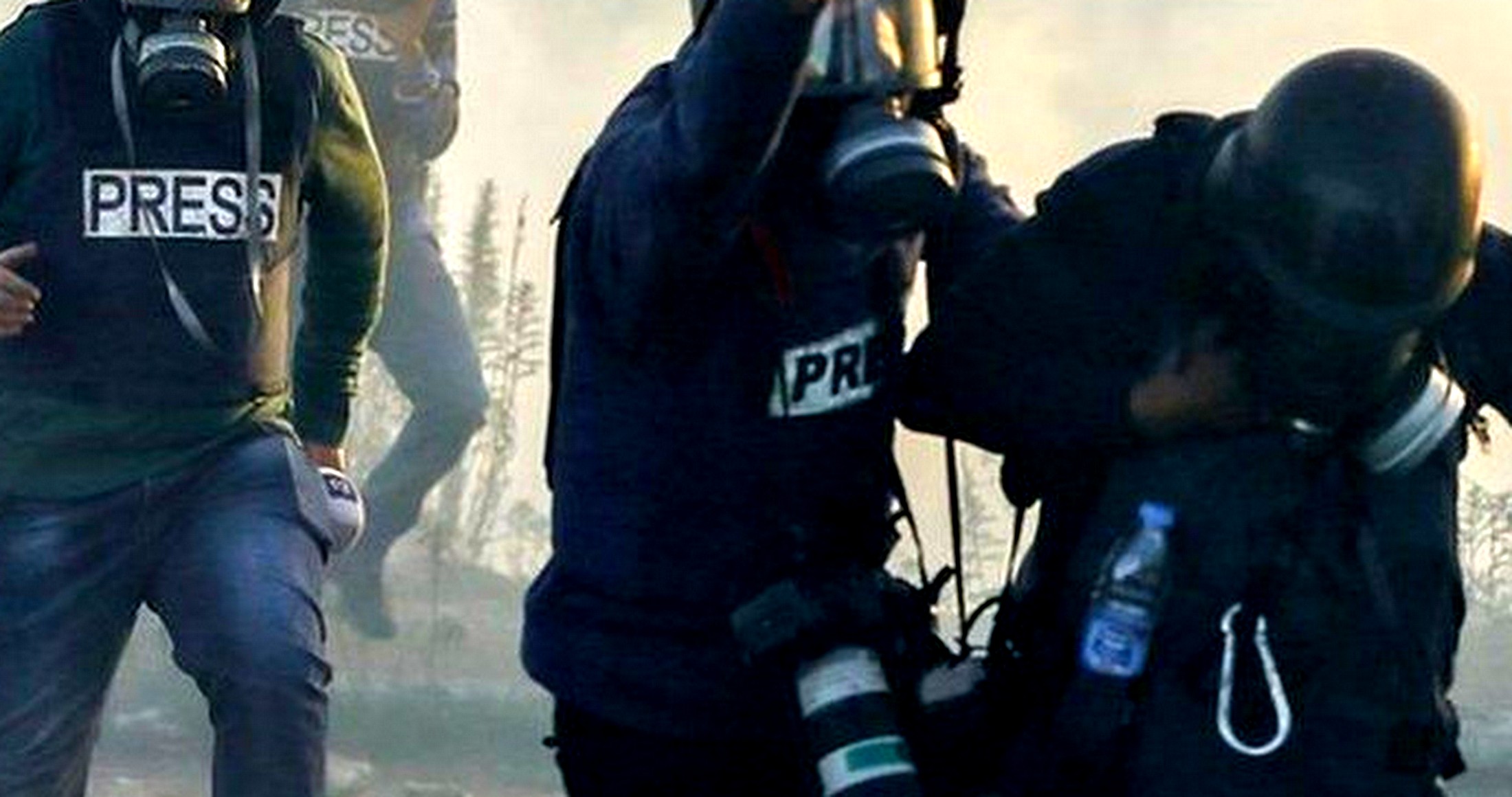

Pakistan's Parliamentary Affairs Minister Murtaza Javed Abbasi informed the Senate on Friday. According to information ministry data, 15 journalists were from Punjab, 11 from Sindh, 13 from Khyber Pakhtunkhwa and three from Balochistan. It is not clear whether the journalists were shot dead by the militants or killed elsewhere.
According to statistics, seven suspects were arrested in such incidents in Punjab. Two of them are currently on bail. Out of the seven others arrested, five are being prosecuted and eight are absconding. One of the accused was released by the court. In Sindh, four suspects have been arrested and seven are under trial.
Similarly, two accused of KP have been acquitted, four cases are pending and one is absconding. Two suspects are absconding in Balochistan. One is facing trial while another suspect has been sentenced. Some are under investigation.
Speaking in the Senate, Jamaat-e-Islami Party's Mushtaq Ahmed said that the federal and provincial governments have failed to protect journalists.
Responding to Ahmed, Minister Abbasi said it was a "serious situation" and the government should take swift action against the culprits and provide special protection to journalists.
He directed Pakistan's Ministry of Interior and Information to prepare an integrated report on the matter and submit it to the House within two months.
Meanwhile, Senator Danesh Kumar of Balochistan Awami Party said that instead of the three shown in the document, more than 10 journalists were killed in the province, according to Dawn newspaper.
In response, the Minister of Parliamentary Affairs has mentioned that he has prepared a report after discussing with all the relevant parties and if anyone has given wrong data, he should be held accountable as this is a very sensitive matter.
In recent times, there has been an increase in cases of gender-based violence in the country, and women in particular have been subjected to harassment and abuse. Women journalists are more vulnerable to violence and intimidation in Pakistan due to strong patriarchal social norms.
-RSS





प्रतिकृया दिनुहोस